SKIN HEALTH & ALLERGY CARE

Understanding Skin Allergies and Skin Conditions

Learn about common skin allergy symptoms, possible triggers and the importance of appropriate medical assessment for healthier skin.
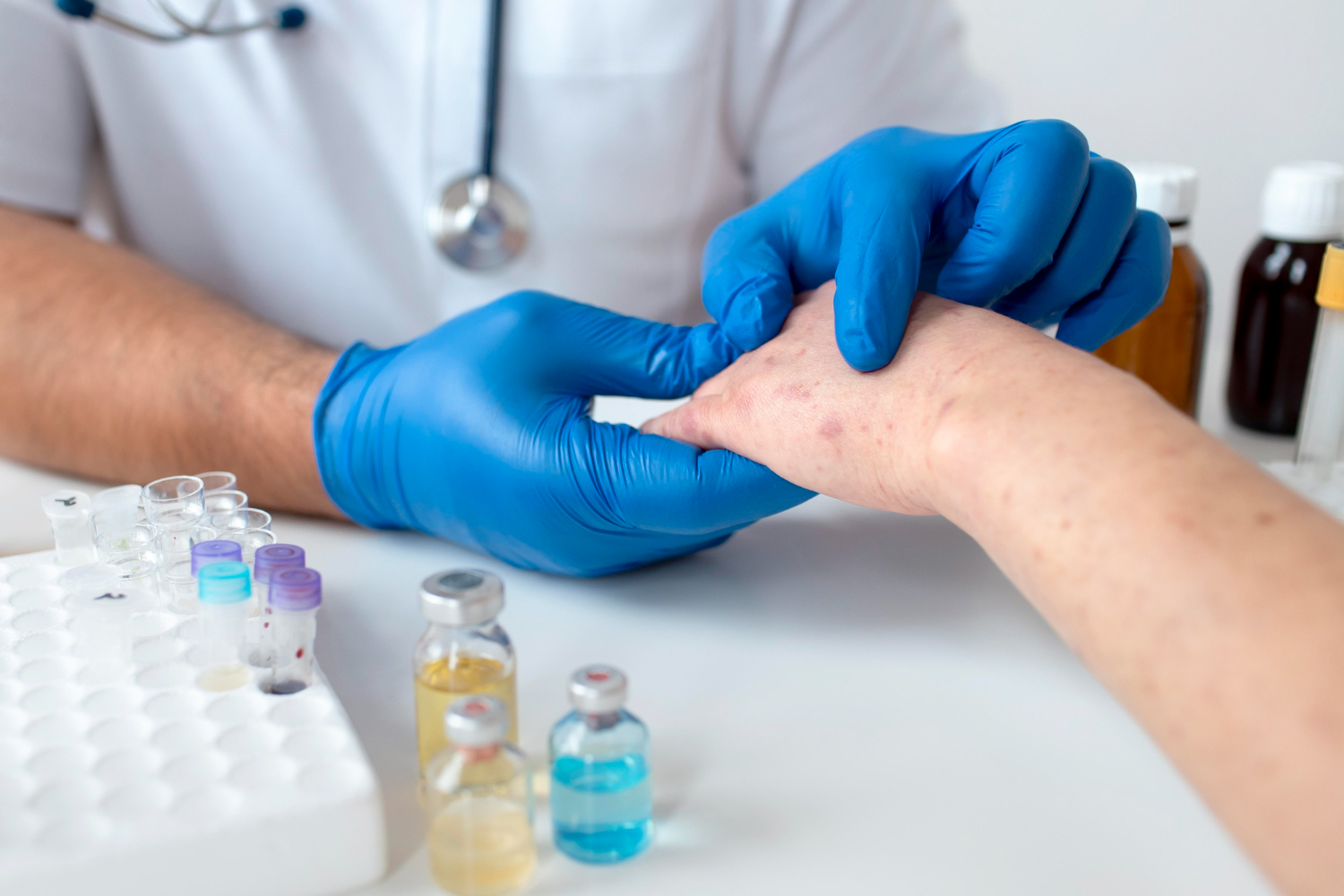
Healthcare professional discussing respiratory health

Understanding Skin Allergies

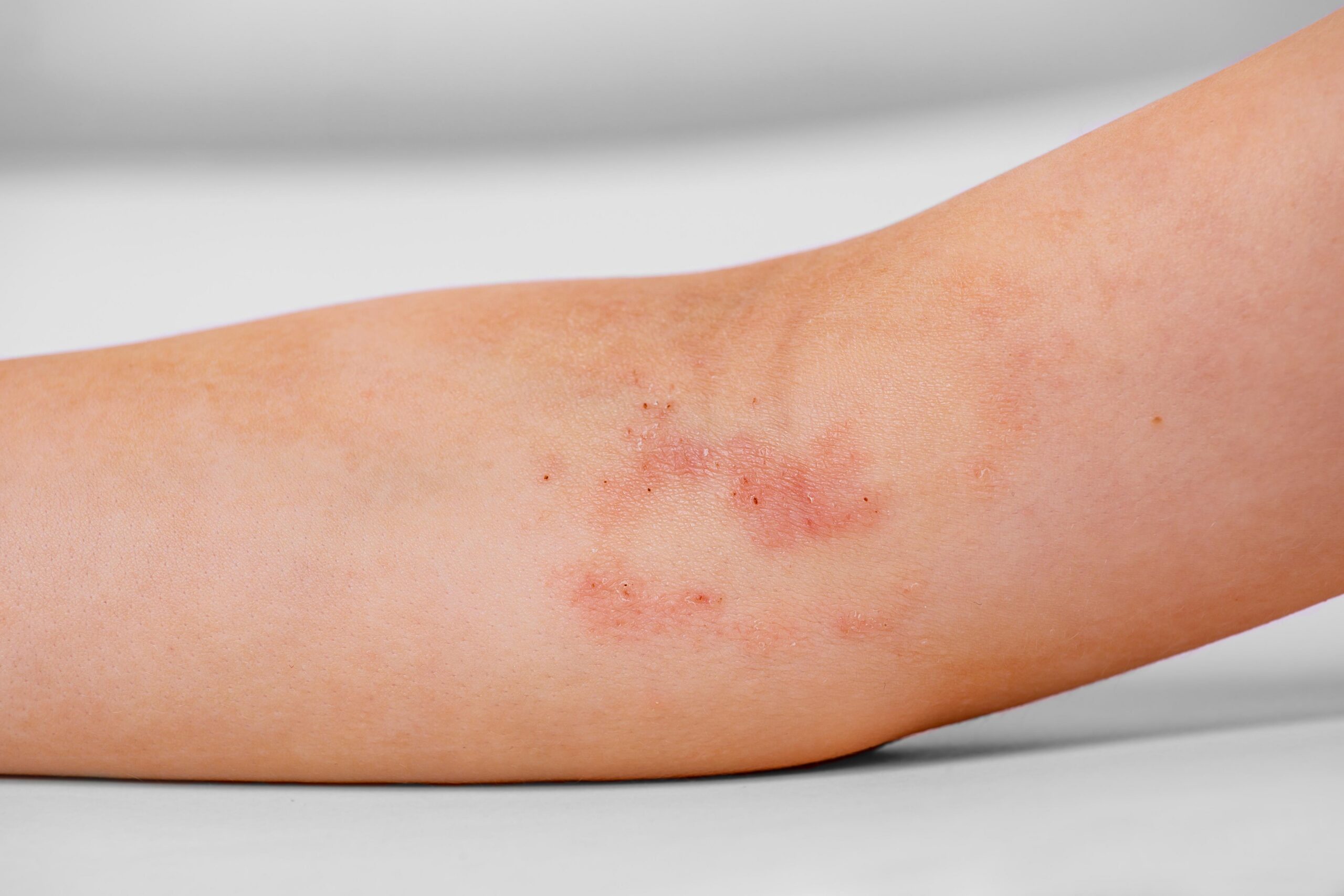
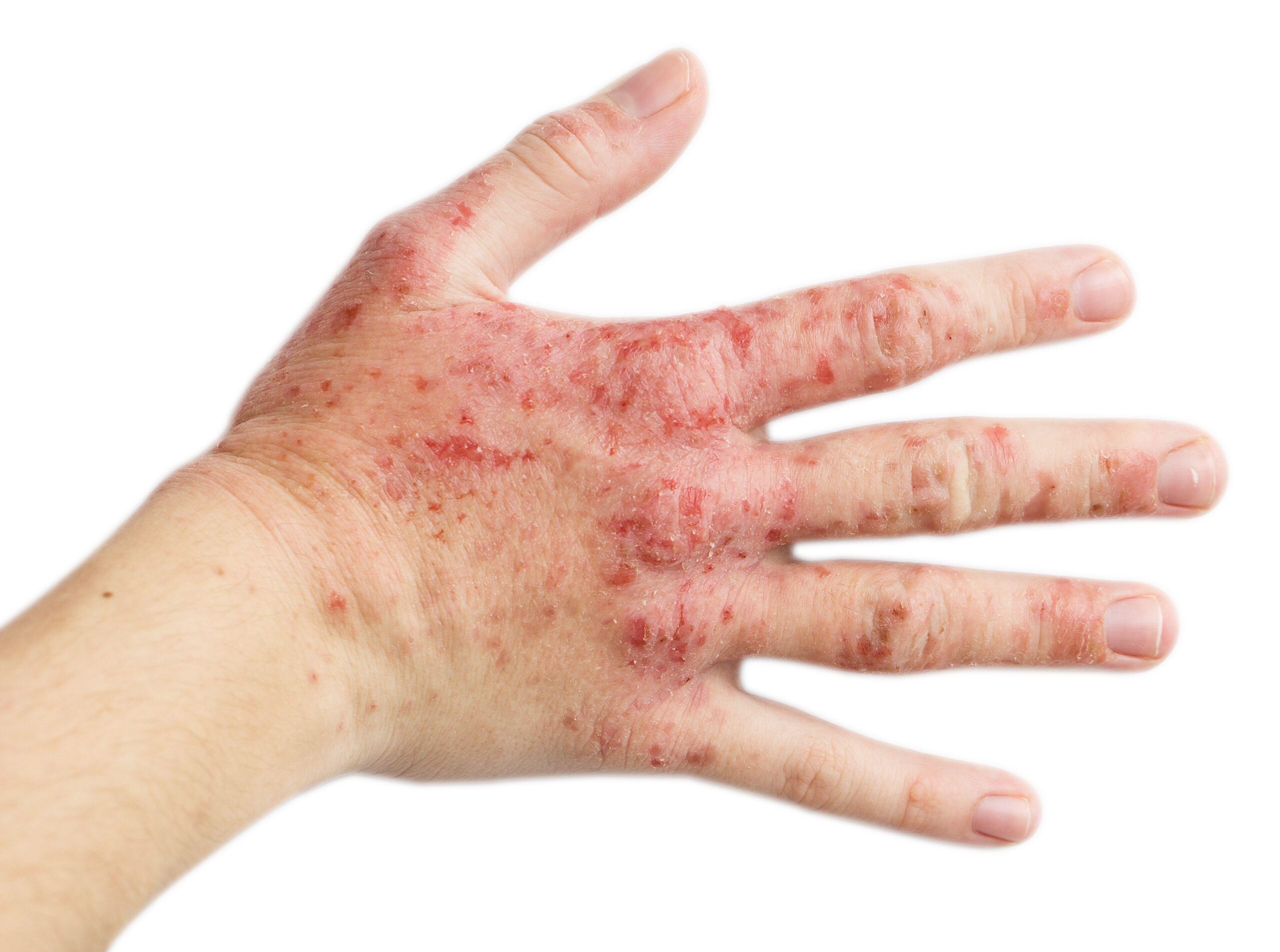
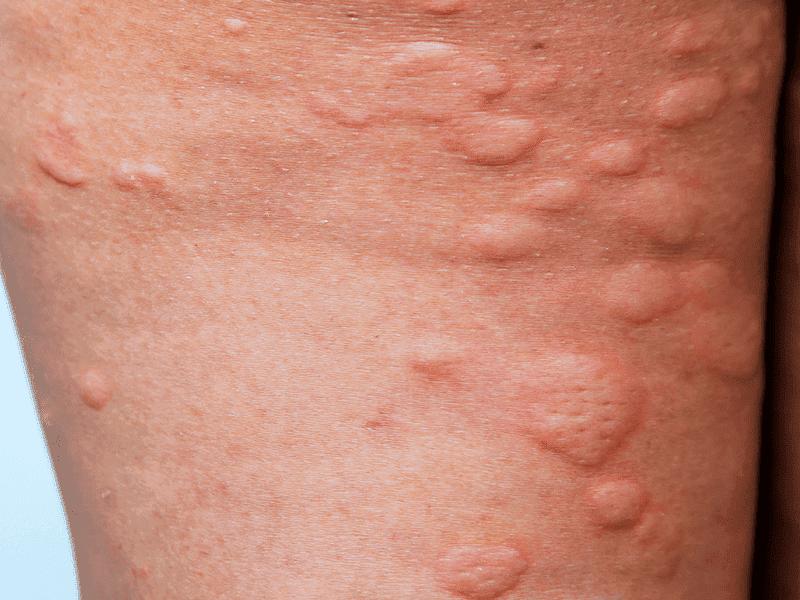
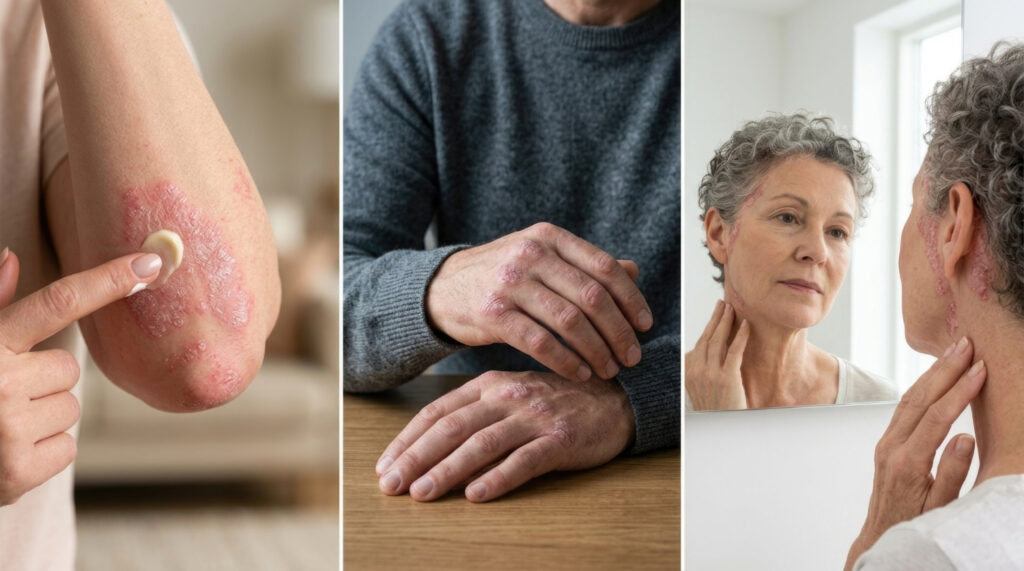
Skin allergies occur when the skin reacts to certain substances, known as allergens or irritants. These reactions may cause itching, redness, rashes, swelling, dryness or discomfort. Symptoms can vary depending on the trigger and the individual’s skin sensitivity.

At Dr. Zamir’s Homoeopathy, patients can enquire about available consultation options to discuss their skin concerns and general health. Persistent or severe skin symptoms should be assessed by a qualified healthcare professional to identify the cause and determine appropriate treatment.

Neurological condition We Cover

Learn about recurring headaches, common triggers and appropriate medical assessment.

SKIN HEALTH & ALLERGY CARE

Understanding Your Skin Allergies

Recognising skin allergy symptoms, identifying possible triggers and seeking appropriate medical advice can help support healthier skin.

Recognise Skin Allergy Symptoms

Itching, redness, rashes, swelling or dry patches may indicate a skin reaction that needs medical assessment.

Identify Possible Triggers

Soaps, cosmetics, detergents, metals and other substances may trigger skin reactions. Identifying triggers can help guide care.

Choose Appropriate Skin Care

A healthcare professional can help assess persistent skin problems and recommend suitable treatments and preventive measures.

Have Questions About Your Skin Health?

Contact Dr. Zamir’s Homoeopathy to enquire about appointments and discuss your skin concerns.

Call for Enquiries ↗

Frequently Asked Questions

Common questions about skin allergies, symptoms and skin care.

Common symptoms include itching, redness, rashes, swelling, dryness and raised bumps. Symptoms may occur after contact with certain substances, insect bites or exposure to other triggers. A healthcare professional can help identify the cause.

Possible triggers include certain soaps, cosmetics, fragrances, metals such as nickel, detergents, plants and some medicines. Keeping track of when symptoms occur may help a healthcare professional identify potential triggers.

Diagnosis usually involves reviewing your symptoms, medical history and skin examination. Depending on the suspected trigger, a doctor may recommend patch testing or other allergy tests to help identify the cause.

Homoeopathy has not been reliably shown to cure skin allergies. Appropriate care may include avoiding identified triggers, skin moisturisers and evidence-based treatments recommended by a qualified healthcare professional. Do not stop prescribed treatment without medical advice.

Consult a doctor if the rash persists, spreads, becomes painful or shows signs of infection. Sudden swelling of the tongue or throat, difficulty breathing or faintness may indicate a severe allergic reaction and require emergency medical attention immediately.

```